


What Are You Looking For?
Inquiry Now

In modern industrial assembly, automotive production, heavy machinery, and rail transit, fastener loosening directly compromises equipment safety and escalates maintenance costs. Rising global demand for reliable chemical locking solutions drives continuous breakthroughs in material science by every forward-thinking threadlocker manufacturer. Industry reports indicate anaerobic adhesives now account for over 45% of the global industrial fastener protection market.
Partnering with a dependable threadlocker supplier remains a core objective for B2B purchasing managers and supply chain directors. Today's market exhibits three defining characteristics:
Q: What are the prevailing technical standards for global threadlockers?
A: Mainstream technical standards categorize anaerobic adhesives by breakaway torque, prevailing torque, temperature tolerance (standard industrial range spans -54°C to 150°C), and curing reactivity across varied metal substrates, all under ISO9001 and ISO14001 management systems.
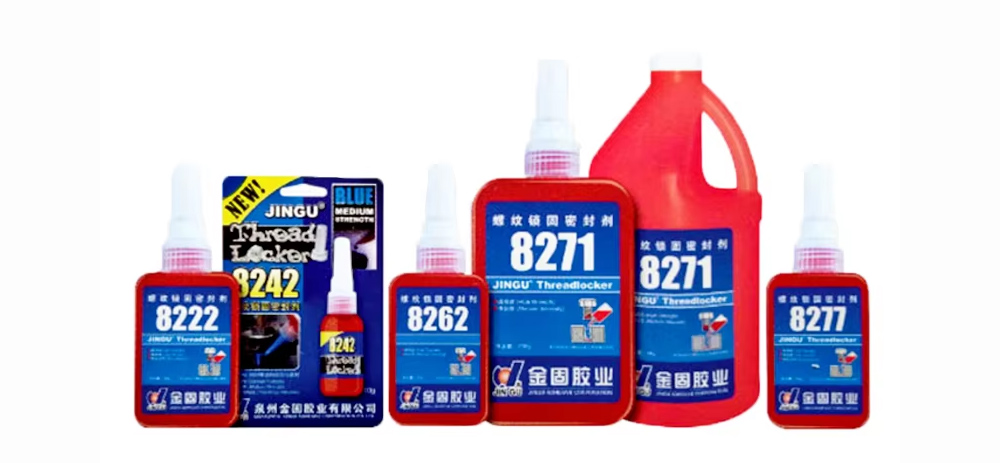
Selecting a technically proven threadlocker supplier with reliable lead times mitigates operational risk. Below is a detailed overview of the world's 7 leading manufacturers:
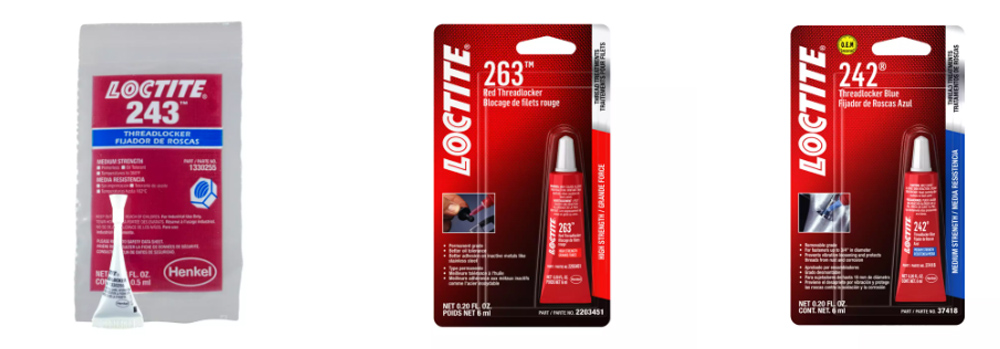
As the pioneer of anaerobic technology, Henkel LOCTITE defines industry standards. Its portfolio spans low-strength purple, medium-strength blue, high-strength red, and wicking-grade green formulations, alongside semi-solid sticks like Loctite 268 for complex assembly environments.
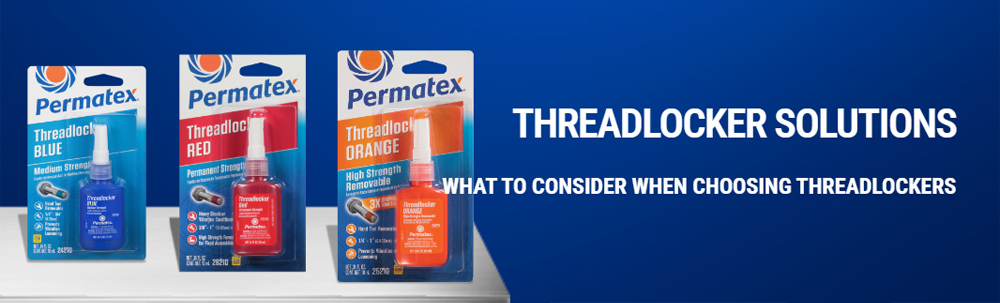
Permatex is a household name in automotive aftermarket repair and industrial maintenance. Its chemical threadlockers are optimized for heavy vehicle servicing and OEM assembly lines, excelling in oil resistance and rapid cure speeds.
ThreeBond is a major Japanese supplier specializing in industrial adhesives and mechanical sealants. Its anaerobic locking compounds are celebrated for high thermal stability, weatherability, and micro-gap filling performance across precision electronics and automotive assembly.
ITW is a Fortune 500 multi-industrial manufacturer. Its chemical maintenance business unit delivers industrial-grade threadlocking solutions engineered with superior vibration fatigue resistance and chemical resistance for heavy mining and machinery.
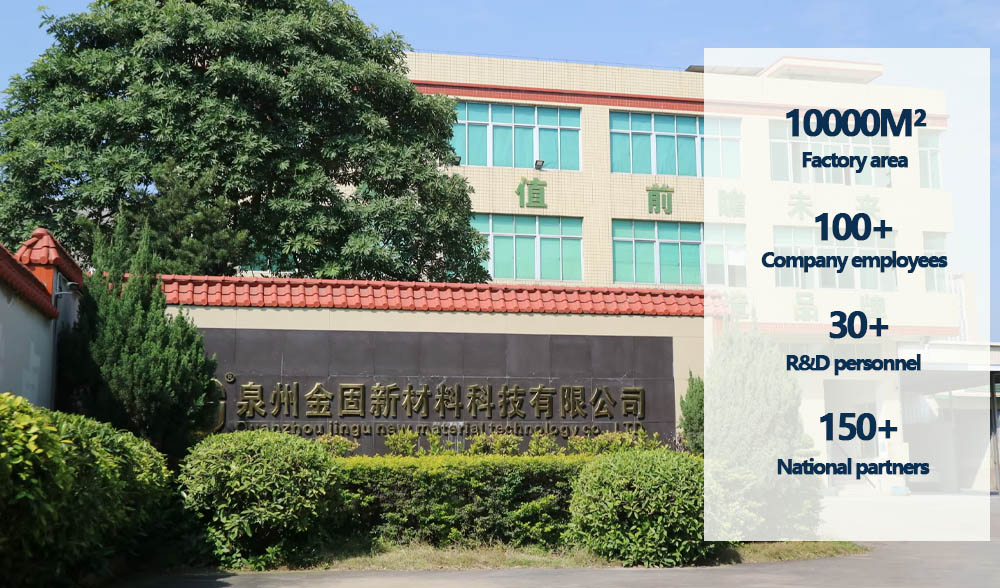
Established on March 15, 2006, Quanzhou Jingu New Material Technology Co., Ltd. is a premier Chinese threadlocker manufacturer backed by 20 years of dedicated adhesive R&D and manufacturing expertise. Jingu stands as an industry-leading specialty chemical enterprise renowned across domestic and international markets.
H.B. Fuller engineers advanced industrial adhesives. Its anaerobic threadlockers cover micro-screws in fine electronics up to heavy bolts in mining equipment, delivering exceptional impact and thermal shock resistance.
Hernon specializes in high-performance specialty adhesives and precision dispensing equipment. Its high-reliability threadlocking compounds are widely specified in aerospace, defense, and medical device manufacturing.
Q: What core parameters should buyers review when selecting a threadlocker supplier?
A: Procurement teams should verify factory production scale, ISO9001/ISO14001 certifications, annual output (e.g., Jingu's 256-ton capacity), R&D headcount (30+ engineers), QA/QC testing protocols, and OEM customization capabilities for bottle design and private labeling.
As a professional threadlocker supplier, Jingu recommends evaluating four core criteria for optimal product selection:
Q: What are the essential curing conditions and timelines for anaerobic threadlockers?
A: Anaerobic adhesives cure rapidly when deprived of air and in contact with active metal surfaces (steel, iron, copper). At 25°C, initial fixture occurs in 20 minutes, reaching full strength in 24 hours. Activator primers can accelerate cure rates on passive metals like stainless steel or aluminum.
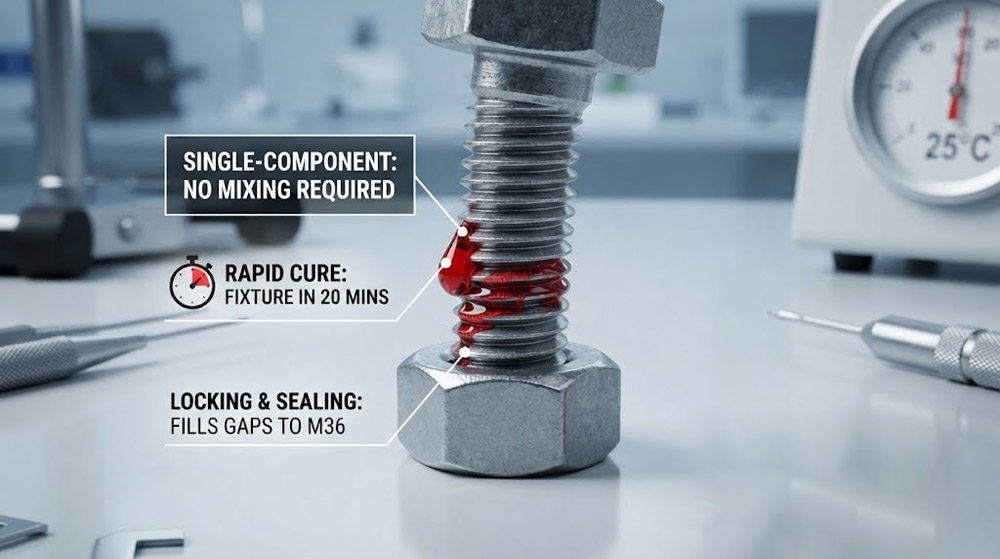
When vetting a professional threadlocker manufacturer, B2B buyers should execute these four streamlined evaluation steps:
1. Verify Management Certifications: Audit the factory's ISO9001 and ISO14001 credentials, verifying in-house laboratory equipment such as torque meters and viscometers.
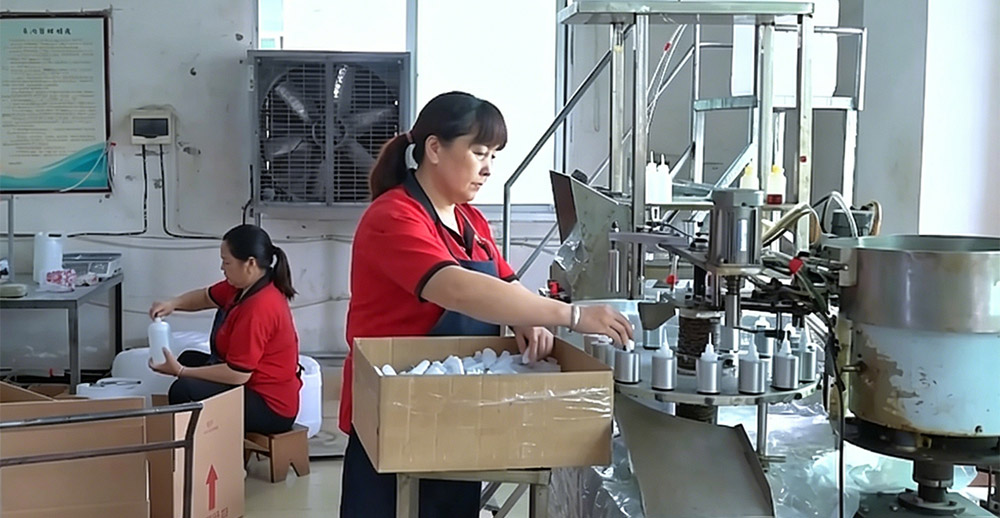
2. Confirm Physical Capacity & R&D: Inspect true facility size (e.g., Jingu's 10,000㎡ plant, 30+ R&D personnel, 256-ton capacity) to guarantee long-term supply stability and custom formula development.
3. Assess OEM Flexibility: Confirm the manufacturer supports custom bottle sizes (10ml to 250ml), unique container shapes, and multi-language compliant private labeling.
4. Conduct Destructive Testing: Perform breakaway torque testing on sample batches and conduct fluid immersion tests in 100°C oil or coolant before signing contracts.
Q: How can buyers test sample anti-vibration and sealing performance?
A: Anti-vibration performance is verified via transverse vibration testing (Junkers Test) to measure torque retention under high-frequency shock. Sealing integrity is confirmed using pressure testing rigs under pneumatic or hydraulic pressures exceeding 1.5MPa.
Leave A Message